What Time Is Sunset
Executive Summary
Sunset, the celestial spectacle marking the end of the day, captivates with its mesmerizing hues and ethereal beauty. Understanding the factors that influence the timing of sunset empowers us to plan outdoor activities, capture stunning photographs, and appreciate the ephemeral nature of time. This comprehensive article explores the science behind sunset, answering frequently asked questions and delving into the captivating nuances of this daily occurrence.
Introduction
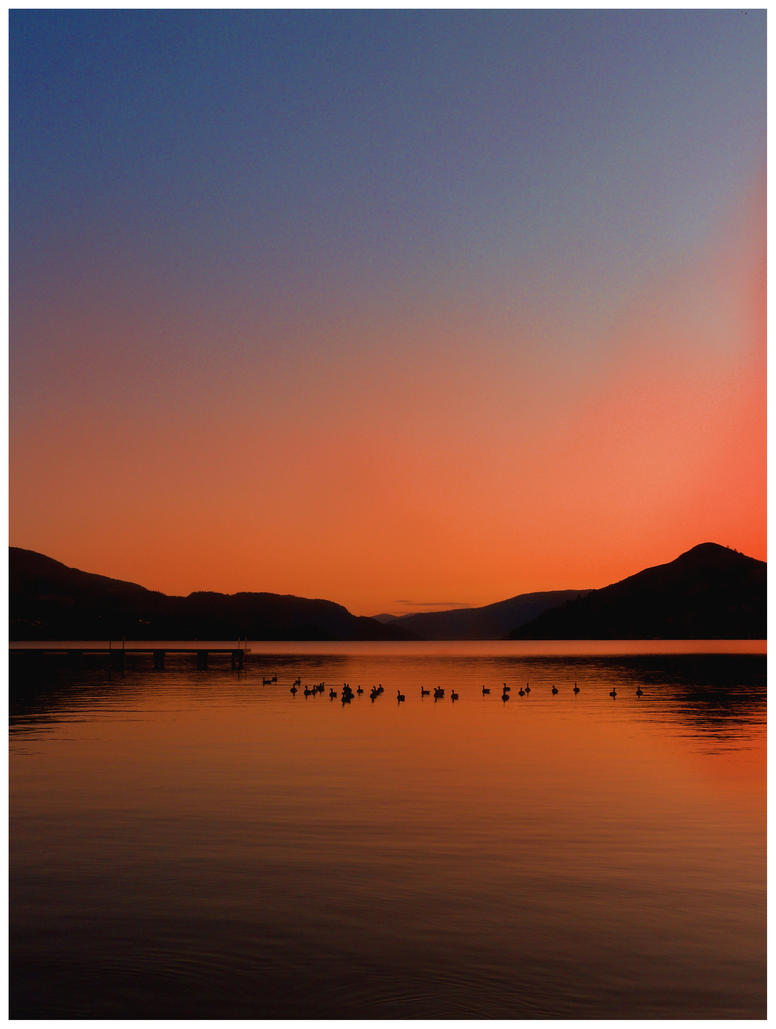
Sunset, a cosmic dance between the rotating Earth and the setting sun, is a captivating phenomenon that has inspired awe and wonder throughout history. As the sun descends below the horizon, casting long shadows and painting the sky in vibrant colors, it marks a transition from day to night, a time for reflection and renewal.
FAQs
1. What is the difference between sunset and twilight?
- Sunset: The precise moment when the upper edge of the sun disappears below the horizon.
- Twilight: The period of time after sunset when there is still some natural light in the sky.
2. Why does the timing of sunset vary each day?
- Earth’s Tilt: The Earth’s axis is tilted, which means the amount of daylight varies throughout the year.
- Latitude: The closer you are to the poles, the greater the variation in sunset times.
- Season: In the Northern Hemisphere, sunset occurs earlier in the winter and later in the summer.
3. How can I find the exact time of sunset in my location?
- Online Calculators: Use websites or apps that calculate sunrise and sunset times based on your location.
- Almanacs and Calendars: Consult almanacs or calendars that include tables with sunset times.
- Local Weather Reports: Weather forecasts often include sunset times in their reports.
Subtopics
Solar Zenith Angle
The solar zenith angle is the angle between the sun and the zenith (the point directly overhead). At sunset, the solar zenith angle is 90 degrees, indicating that the sun is on the horizon.
- Influences the Color of Sunset: The angle of the sun affects the wavelength of light that reaches our eyes, resulting in the vibrant colors of sunset.
- Impacts Sunset Duration: The steeper the solar zenith angle, the shorter the duration of sunset.
- Varies with Season and Latitude: The solar zenith angle changes with the season and latitude, affecting the timing and appearance of sunset.
Atmospheric Conditions
The Earth’s atmosphere plays a crucial role in shaping the appearance of sunset.
- Scattering of Light: As sunlight passes through the atmosphere, it is scattered by molecules and particles.
- Refraction: The atmosphere bends the light coming from the sun, causing the sun to appear higher in the sky than it actually is.
- Clouds: Clouds can obstruct the sun’s rays, altering the intensity and color of the sunset.
Obstructions and Horizon Profile
The presence of obstructions and the shape of the horizon affect our perception of sunset.
- Mountains and Buildings: Obstructions can block the sun’s rays, resulting in a premature or hidden sunset.
- Curvature of the Earth: The Earth’s curvature means that the horizon appears to slope down, affecting the angle of the sunset.
- Coastal Areas: The presence of water can create a reflective surface, extending the duration of the sunset.
Geographic Location
The geographic location significantly influences the timing and appearance of sunset.
- Latitude: The latitude of a location determines the angle at which the sun strikes the Earth, affecting the duration and timing of sunset.
- Altitude: The higher the altitude, the earlier the sunset occurs due to the thinner atmosphere.
- Time Zone: Different time zones observe sunset at different times, based on their longitude.
Solar Calendar
The solar calendar is a tool that provides information about the timing of sunset.
- Winter Solstice: The shortest day of the year, with the earliest sunset.
- Summer Solstice: The longest day of the year, with the latest sunset.
- Equinoxes: The two days of the year when the sun crosses the celestial equator, resulting in equal day and night durations.
Conclusion
Sunset, a captivating astronomical event, is a testament to the intricate workings of our planet and the solar system. By understanding the factors that influence its timing, we can appreciate the beauty and significance of this daily spectacle. From the vibrant colors to the changing horizon, sunset invites us to marvel at the wonders of the natural world and cherish the ephemeral nature of time.
Keyword Tags
- Sunset
- Timing of Sunset
- Solar Zenith Angle
- Atmospheric Conditions
- Geographic Location